




Catalogues
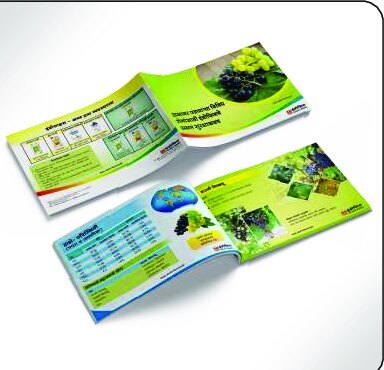
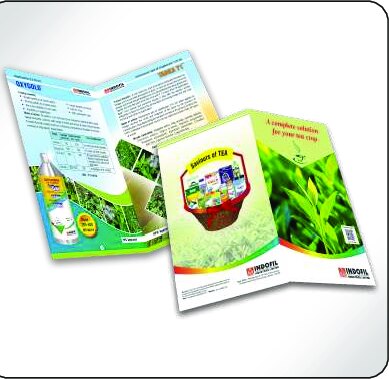
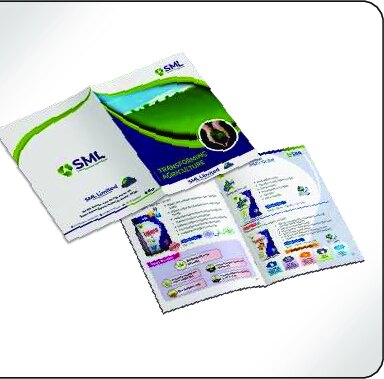
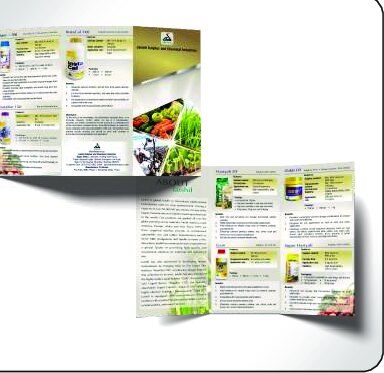
A catalogue is a browsing tool, not a brochure. The work here is organised so a buyer can find a product, compare it with the one next to it, and get to a decision without hunting.


Structure before design
The hardest part of a catalogue is the order of it - how the range is grouped, what a spread contains, and where the specification sits relative to the picture. Get that right and the design becomes straightforward; get it wrong and no amount of styling rescues it.
Technical catalogues for chemical and agri-input ranges have an extra constraint: the data tables have to stay readable, which usually means designing the grid around the widest table in the range rather than the prettiest spread.
Binding and extent
Page count drives both cost and binding. Saddle stitching works to a point; beyond it, perfect binding is more durable and lies better on a desk. Page count in multiples of four is not a preference, it is how sheets fold.
What to send us
The product list, the images, the page count if you know it, and the quantity. If a previous edition exists, send a copy - matching a set year to year is much easier with the physical reference in hand.
Where this work comes from
Like something you see? Contact us and we will design and print it for your brand too.